Category: News

  • Paola Pucci and Giovanni Lanza Discuss Community-led Accessibility on the DRIFT Podcast

    Paola Pucci and Giovanni Lanza Discuss Community-led Accessibility on the DRIFT Podcast

    Paola Pucci and Giovanni Lanza from Politecnico di Milano, partners in Share4Equity WP3 “Informal and Community-led Shared Options”, recently participated in the DRIFT Transitions Podcast, produced by the Dutch Research Institute for Transitions (DRIFT), part of Erasmus University Rotterdam.

    The podcast series explores how societies transition toward more sustainable and just futures by bringing together researchers and practitioners working on systemic change. In this episode, the discussion focused on accessibility, mobility sharing, and community-led initiatives in less densely populated areas.

    Drawing from their work in Share4Equity, Paola Pucci and Giovanni Lanza discussed the concept of “commoning accessibility”: practices where people collectively organize mobility and accessibility solutions according to local needs. The conversation explored how communities can collaborate around mobility and digital tools to improve access to services and opportunities, particularly in territories where conventional transport solutions are limited.

    The episode also addressed the challenges these initiatives face, including limited financial resources, organizational barriers, and the difficulty of sustaining community-based projects without support from public authorities or private actors. Based on examples collected through their research, they reflected on how collaborations between communities, municipalities, housing actors, and mobility providers can strengthen more resilient and inclusive accessibility models.

    To learn more, you can listen to the podcast here: https://podcasts.apple.com/nl/podcast/2-the-promise-of-hybridisation-with-reshare/id1803106594?i=1000763194935

  • Share4Equity at the DUT Knowledge Hub on Accessibility and Neglected Communities

    Share4Equity at the DUT Knowledge Hub on Accessibility and Neglected Communities

    On March 24th, Share4Equity participated in the DUT Knowledge Hub webinar “Strategies to Address Neglected Social Groups and Spatial Contexts”, an online session dedicated to discussing how accessibility and proximity policies can better respond to communities and territories that are often overlooked in mobility planning.

    The webinar is part of the Driving Urban Transitions (DUT) Knowledge Hubs initiative, which was launched to help projects working on similar urban challenges exchange knowledge and build stronger connections between research and implementation. Rather than treating projects as isolated case studies, the Knowledge Hubs create spaces where researchers, public authorities, mobility operators, and practitioners can compare experiences, identify common barriers, and develop approaches that can be transferred across cities and regions.

    The March session focused specifically on groups and places that are frequently absent from accessibility analyses and mobility policies: older adults, caregivers, children, residents of small and medium-sized towns, and people living in transport-poor or marginalized areas. Across the different project presentations, a common question emerged: how can mobility systems respond to needs that are often invisible in conventional transport planning data?

    Representing Share4Equity, Zahra Zarabi and Prof. Owen Waygood from Polytechnique Montréal presented their work within WP5 “Transferability and Urban Governance of Shared Mobility for Equity”. Their contribution examined how governance arrangements shape accessibility outcomes in shared mobility systems. Their central argument was that accessibility does not depend only on whether a service exists, but also on the institutional conditions under which it operates.

    Drawing from their research, they explained that many shared mobility systems are currently evaluated through indicators such as ridership growth, utilization rates, or network expansion. In practice, this often pushes operators toward dense and profitable urban areas, while peripheral neighborhoods or lower-demand territories remain underserved even when mobility needs are significant. They also discussed how operators frequently rely on usage data alone, which makes it difficult to identify the needs of groups that are already excluded from the system.

    Their presentation explored how governance structures can either reinforce or reduce these inequalities. They discussed the importance of creating institutional capacity to identify unmet mobility needs, establishing stronger relationships between operators and community organizations, and developing policy frameworks that evaluate accessibility through equity-oriented criteria rather than purely commercial performance metrics.

    Giovanni Lanza from Politecnico di Milano then presented insights from WP3 “Informal and Community-led Shared Options”. His presentation focused on collaborative shared mobility initiatives developed directly within communities, particularly in territories where conventional shared mobility services are limited or economically difficult to operate.

    He introduced the idea of collaborative shared mobility as a model where residents are not simply users of a service, but actively participate in organizing, maintaining, and shaping it according to local mobility needs. These initiatives often combine the involvement of communities with the support of municipalities and mobility operators, creating hybrid governance arrangements that differ from traditional public-to-user or business-to-user service models.

    One example presented during the webinar was a condominium-based electric car-sharing initiative in the metropolitan area of Genoa. The project brings together residents, a shared mobility operator, and the municipality to provide access to a shared electric vehicle adapted to the realities of a peripheral district. The initiative was presented as a way to improve accessibility in areas where conventional market-driven services struggle to operate, while also strengthening local cooperation around mobility resources.

    The presentation also addressed the practical barriers these initiatives face. Questions around regulation, funding, long-term management, and the distribution of responsibilities between citizens and institutions remain central challenges for collaborative mobility models. At the same time, the discussion showed that these experiments can generate forms of social innovation that are difficult to achieve through purely top-down mobility planning.

    The webinar was part of the broader exchange taking place within the DUT Knowledge Hubs, where projects are progressively sharing findings across different work areas. Insights from Share4Equity WP1, WP2, and WP4 will also be presented in upcoming DUT Knowledge Hub sessions on the 11th of May

  • Share4Equity Partners Meet in Poznań

    Share4Equity Partners Meet in Poznań

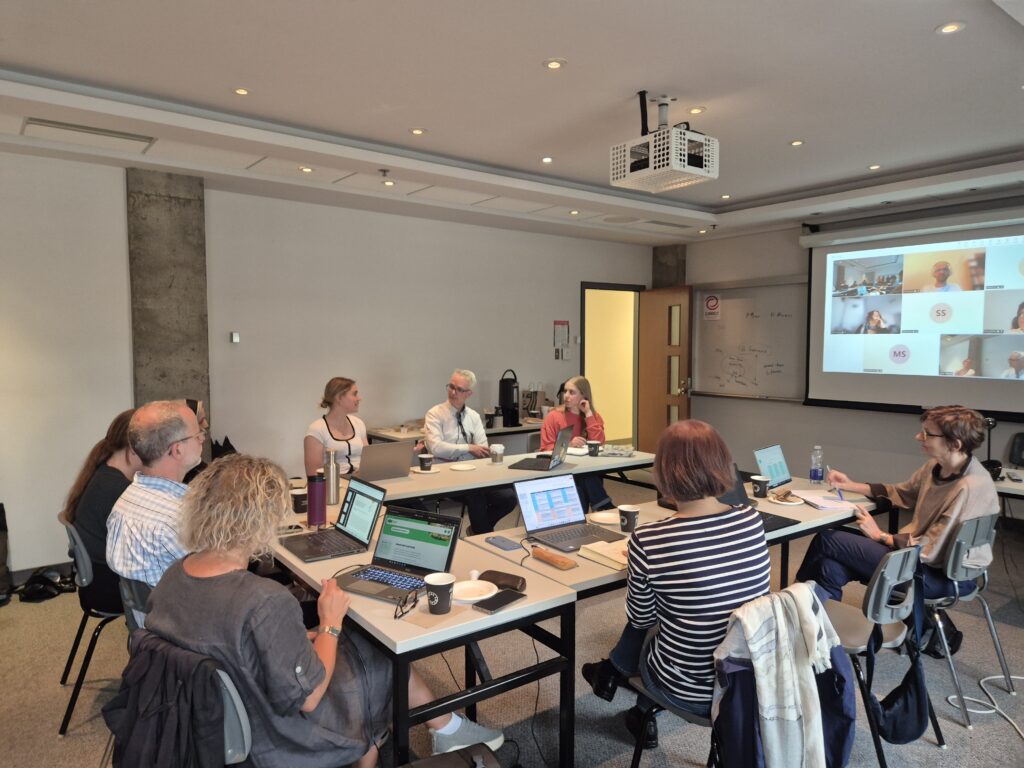
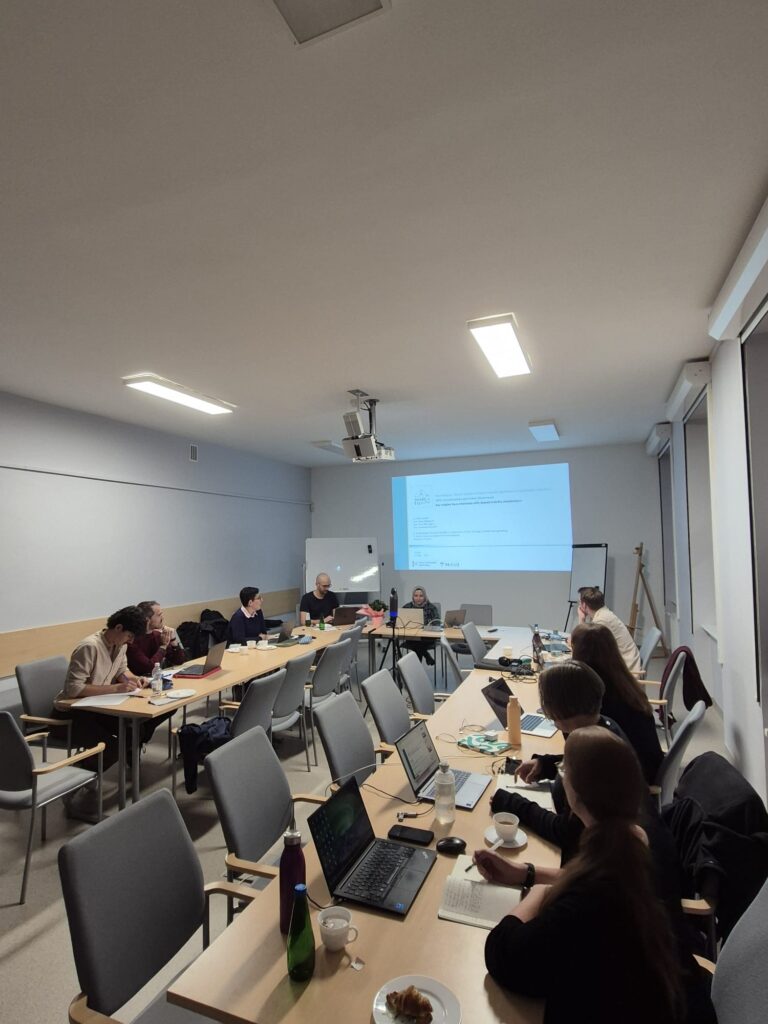
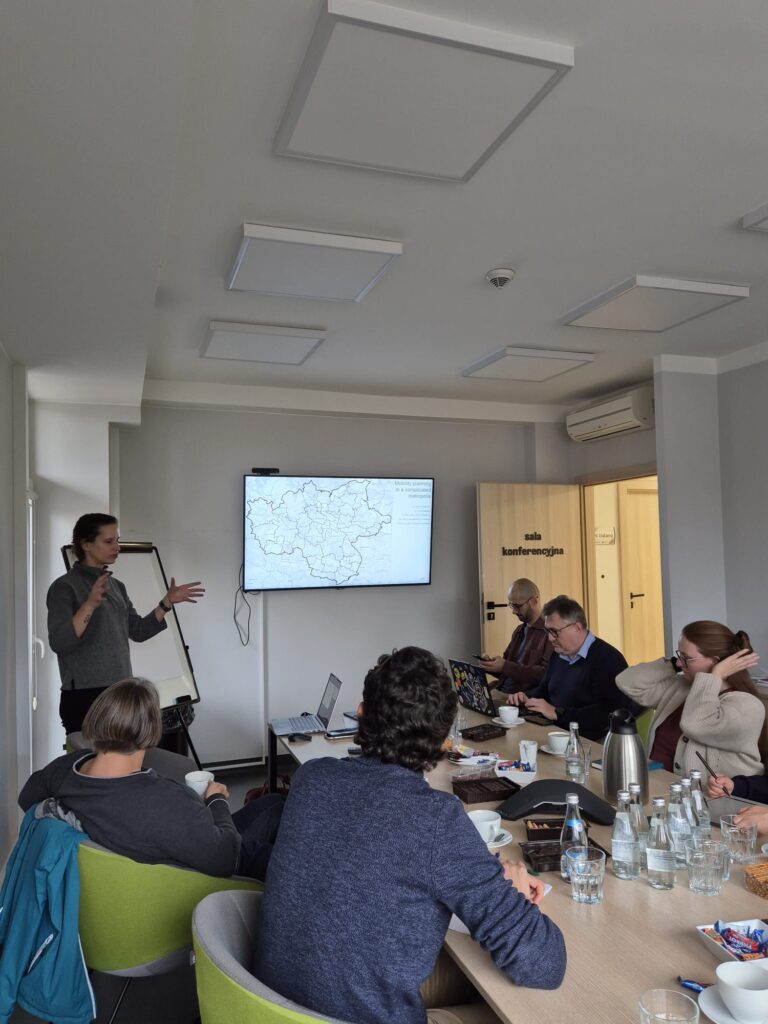
    From 15 to 17 October 2025, the partners of Share4Equity met in Poznań for the project’s second consortium meeting, hosted by Adam Mickiewicz University.

    The presentations in Poznań showed how the project has started moving from conceptual groundwork toward comparative and empirical research. The partners discussed analyses of shared-mobility systems that illustrate how governance traditions, local regulations and market conditions influence where and how such services take root. These studies provide a growing picture of shared mobility as an uneven and highly context-dependent phenomenon.

    Parallel sessions examined how people experience and perceive shared mobility. Surveys and qualitative studies have begun to trace how social position, gender and income affect access to shared modes, and how issues such as cost, trust and digital literacy can shape participation. Another focus was on emerging community-based forms of mobility. The Genoa testbed (district of Biscione), investigates how residents and local associations (ELETTRA) cooperate to design and manage small-scale sharing schemes in neighbourhoods where public transport is limited. These initiatives show that collaborative approaches can be a response to specific gaps in urban mobility rather than a simple extension of market services.

    Discussions also turned to the theoretical and governance aspects of justice. A joint review synthesised more than a thousand publications on shared mobility and equity, mapping how academic research tends to privilege distributive aspects, who has access and where, while rarely exploring the social and institutional processes behind those inequalities.

    To complement this, our partners from Canada presented first findings from interviews with operators and city representatives in Montreal, including BIXI, Communauto and LocoMotion. The conversations revealed how different actors interpret equity goals in practice and how financial stability, municipal support and user diversity affect their capacity to reach underserved populations.

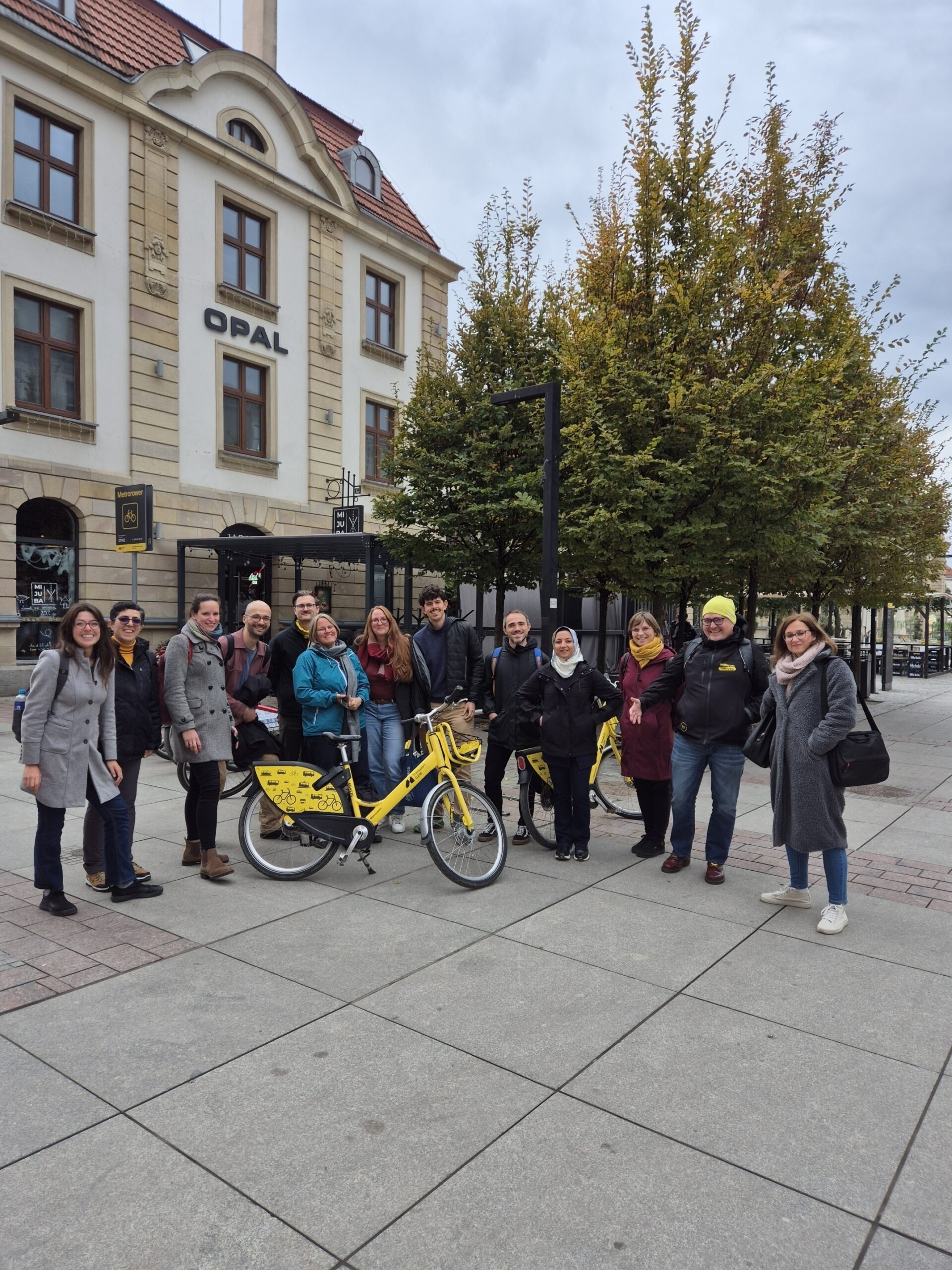
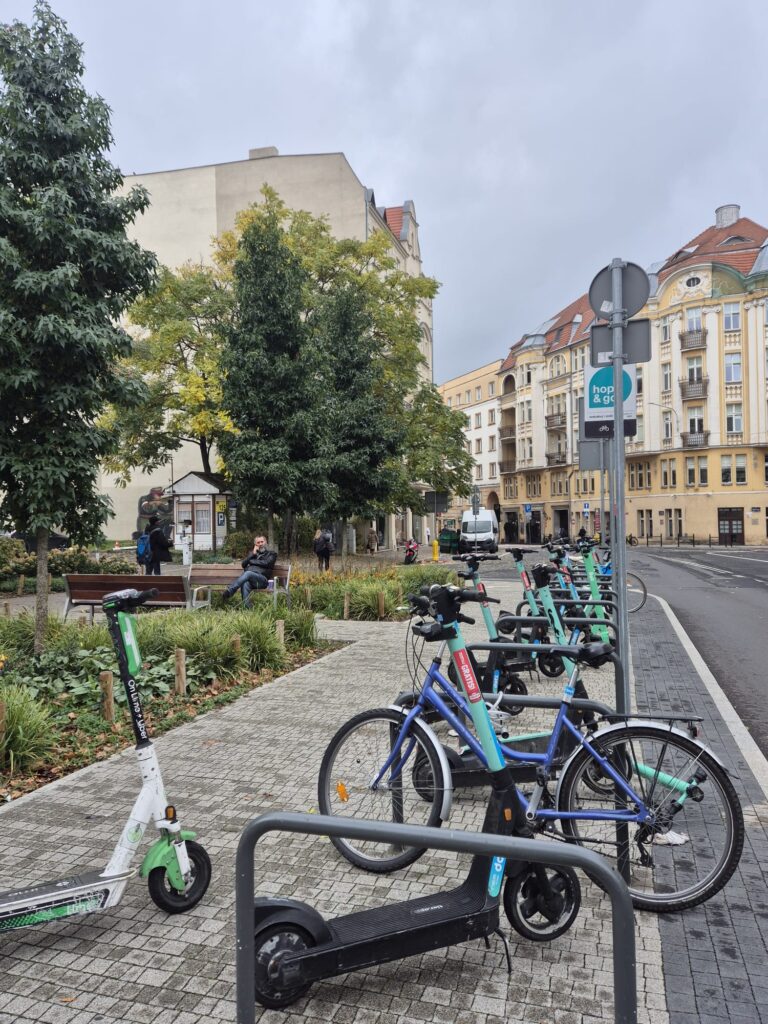
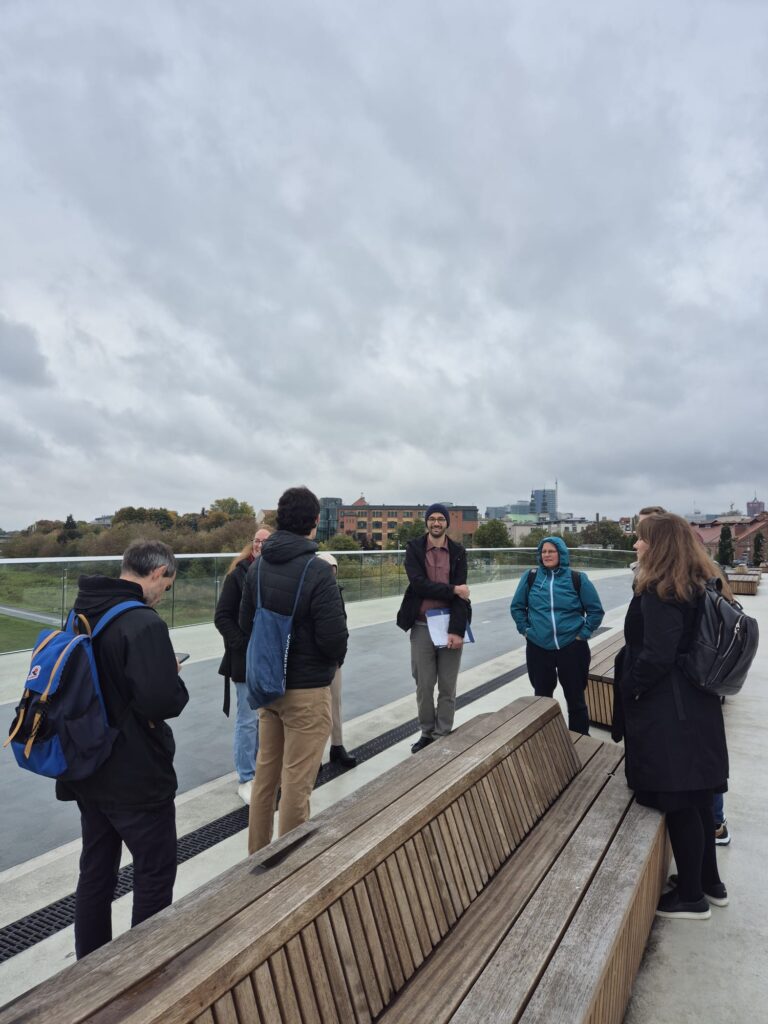
    In addition to the presentations and discussions, Adam Mickiewicz University organised several activities that gave partners the opportunity to explore Poznań and its recent mobility transformations. During a guided excursion through the city, it was illustrated how large sections of streets and parking areas once reserved for cars have been redesigned for pedestrians, cyclists, and public use. As the group walked through the city, participants could see numerous shared-mobility services—bike- and e-scooter-sharing in particular, showing how accessible alternatives are becoming an integral part of everyday travel in Poznań.

    On Friday, the programme continued with a visit to GZM Metropolis and Nextbike Poland, where representatives shared insights into their regional mobility initiatives. The GZM area today runs one of Europe’s largest bike-sharing networks, with over 7 000 bicycles and 900 stations, and is widely regarded as a leading example of how metropolitan coordination can curb car dependency and expand shared mobility across municipalities. The visit provided an inspiring complement to the meeting discussions, linking the consortium’s analytical work with real examples of governance and implementation in Poland.

    The next phase of Share4Equity will focus on the qualitative research led by the University of Gävle, which examines how people experience and perceive justice in mobility. Following the completion of the scoping review on perceived justice in transportation, the team is now launching a series of back-casting workshops, interviews and focus groups in the Uppsala region. These activities will bring together residents, service providers, and planners to discuss accessibility, inclusion and fairness in existing and future mobility options. Insights from these conversations, beginning with the first focus group scheduled after the pilot workshop this autumn, will provide the foundation for the project’s empirical dataset and help connect users’ lived experiences with the governance and supply structures analysed in other work packages

  • Share4Equity at the DUT Projects Event 2025 in Milan

    Share4Equity at the DUT Projects Event 2025 in Milan

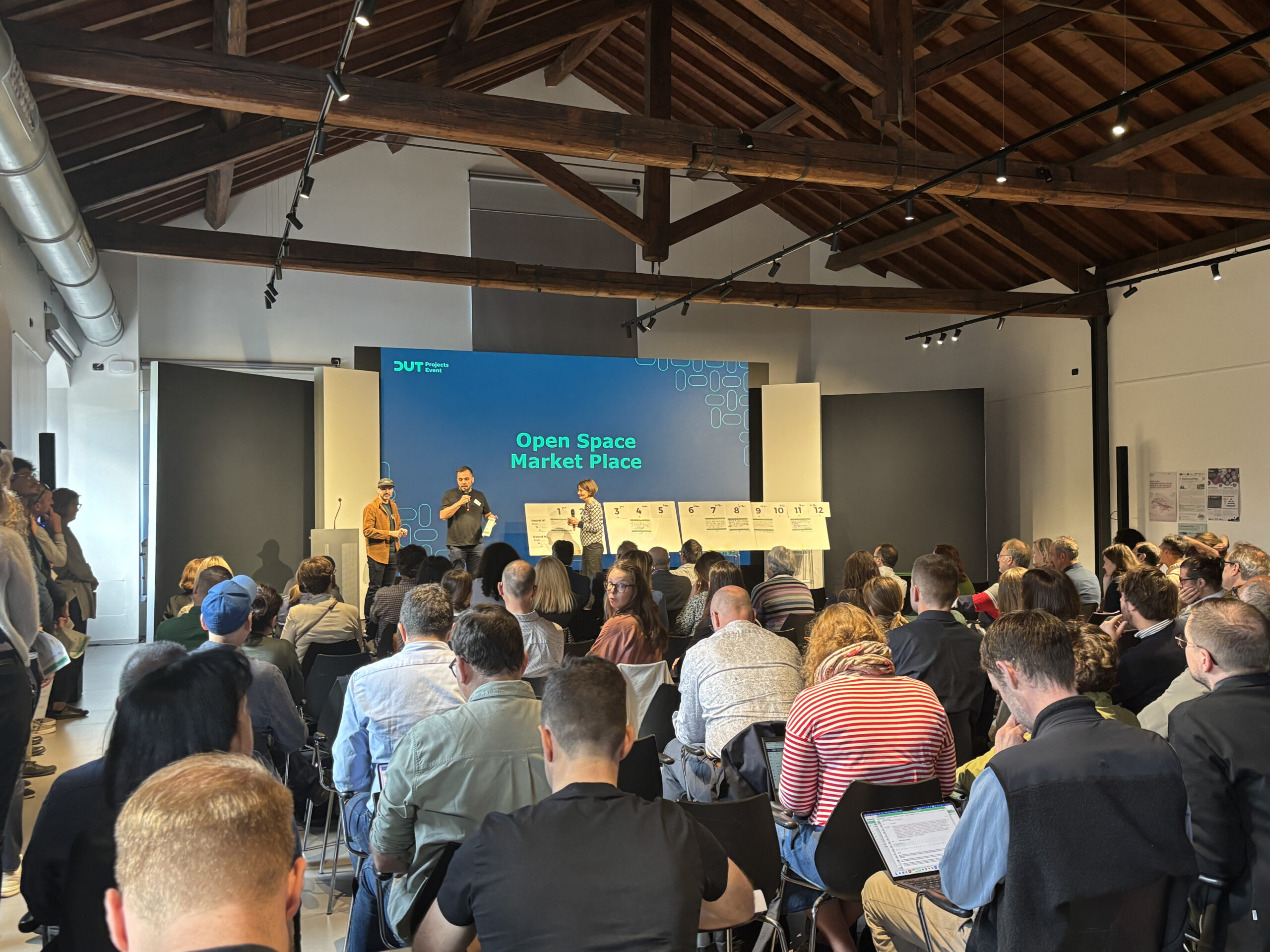
    In late September, the Share4Equity (S4E) team participated in the Driving Urban Transitions (DUT) Projects Event 2025 held in Milan (30 Sept – 1 Oct 2025). This two-day gathering brought together all projects funded under DUT’s first calls and national funders, combining a kick-off for new 2023 projects and a midterm check-in for 2022 projects.

    For Share4Equity, one of the newly funded 15-Minute City pathway projects, it was a valuable chance to meet our sister projects, network, exchange knowledge, and learn how to get the most out of the DUT programme. With around 200 participants from across Europe, the event was buzzing as we discussed how to accelerate urban transitions towards more sustainable, inclusive cities.

    Day 1: Networking and Knowledge Hub Workshop:

    Day 1 opened with a morning plenary, where DUT’s management introduced the partnership’s mission and activities. Participants engaged in some fun, interactive icebreakers, followed by a poster session in which each project presented its goals and explored common interests with others. This gave our team an early opportunity to pitch Share4Equity’s mission—examining how shared mobility can advance equitable, 15-minute cities—and to identify areas of synergy with other projects in the room.

    In the afternoon, we joined a dedicated workshop on the DUT Knowledge Hub and Innovation Portfolio. This interactive session, organized by transition pathway (ours being the 15-Minute City pathway), focused on how each project’s expected results will contribute to DUT’s broader mission and urban sustainability vision. Together with colleagues from other projects, our team quickly summarized Share4Equity’s mission, key outputs, and target users, and then shared this with peers representing other 15-minute city projects. This collaborative exercise helped to map out our collective “innovation portfolio”, essentially seeing how all the projects’ pieces fit together to drive the 15-minute city transition.

    We discovered that Share4Equity’s focus on shared mobility for transport justice complements many sister initiatives tackling inclusive mobility and proximity-based planning. Notably, we connected with teams from several kindred projects in the 15-minute city pathway, including:

    • Car-goNE City – engaging residents to implement cargo-bike sharing and reduce car use in neighborhoods.
    • DREAMS – driving equitable and accessible 15-minute neighbourhood transformations.
    • INPUT (Engaging Places and Communities) – fostering community engagement and participatory design to make urban spaces more inclusive and resilient.
    • PROWD (Proximity without Density) – exploring spatial and social strategies to achieve proximity-based living without compromising livability or inclusiveness.
    • PROMISE – developing progressive micro-mobility and smart policy solutions for first-/last-mile urban travel.
    • SMART-AGE – enhancing urban mobility and accessibility for older adults in the 15-minute city.
    • SSWC (Smart & Sustainable Work Culture) – rethinking work habits through connectivity and sharing for a 15-minute city.

    Connecting with these projects was inspiring, we realized we’re part of something bigger that explores how to make cities more liveable and fair. Despite the packed schedule, Day 1’s networking laid a foundation for future cooperation. We wrapped up the day feeling aligned with DUT’s community and eager to collaborate further.

    Day 2: Open Discussions on Equity and Engagement

    Day 2 kicked off with a highly interactive “Open Space” marketplace session. Participants were invited to propose their own discussion topics, which were then hosted in parallel groups. In the first round, Share4Equity joined a group on “Equity and Justice in Urban Mobility.” This conversation brought together researchers and practitioners to debate how principles of transport justice can be applied in real-world projects. We shared examples and challenges from different cities, brainstorming ways to ensure new mobility services truly benefit underserved communities. It was encouraging to see a common commitment to equity across various projects, a reminder that innovation has to go hand-in-hand with social inclusion.

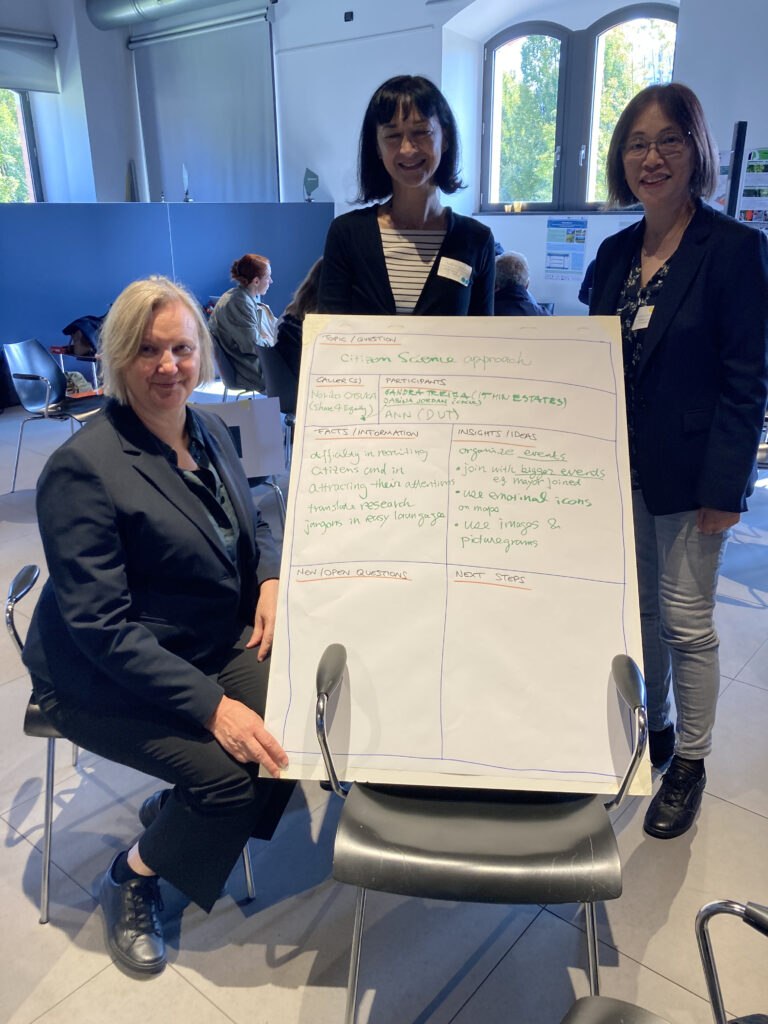
    For the second discussion round, we moved to a session on “Citizen Science and Participatory Approaches.” This lively discussion, which included participants from Slovenia, Latvia, and beyond, explored how DUT projects can actively involve citizens in research and co-creation. We talked about methods to engage end-users in data collection (for example, through mobility diaries or community workshops) and how to integrate local knowledge into project design. Given that participatory approaches and end-user engagement are expected to be core elements in DUT-funded projects, this was a timely topic.

    Overall, the DUT Projects Event 2025 was an energizing start to our journey in the DUT Partnership. We’re excited to integrate the lessons learned into our upcoming activities. By connecting with the wider DUT network and exchanging knowledge, Share4Equity is better equipped to advance equitable and sustainable mobility in our cities—truly embodying the spirit of “driving urban transitions” together.

  • Introducing Share4Equity

    How can shared mobility—bikes, e-scooters, and car-sharing—work better for everyone? That’s the question at the heart of Share4Equity, a European-Canadian research project exploring how shared mobility can support more inclusive and accessible cities.
     
    Right now, these services tend to focus on central or wealthier areas, leaving many communities with limited options. Share4Equity looks at how shared mobility can reach more people, reduce car dependency, and support the 15-minute city concept, neighborhoods where work, school, shops, and leisure are all within a short distance.
     
    The project focuses on:
     
    How shared services are spread across cities and neighbourhoods
     
    How people actually use and experience these services
     
    Inclusive models, including community-run or informal sharing schemes
     
    By combining mapping, surveys, interviews, mobility diaries, and co-creation workshops, Share4Equity develops tools and guidance to help cities, mobility providers, and communities make shared mobility fairer, more inclusive, and sustainable.
     
    Our work spans Germany, Italy, Poland, Sweden, and Canada, from busy city centers to car-dependent suburbs, blending research and real-world insights to shape better mobility for everyone.
     
    ▶️ This is just the beginning. Our first video introduces the project and shows how innovative research and collaboration are coming together to rethink urban mobility.We’re excited to share our first video, offering a glimpse into Share4Equity, a project dedicated to making shared mobility services like bike-, car-, and e-scooter-sharing more equitable and accessible!

  • Share4Equity Project Poster

    Share4Equity Project Poster

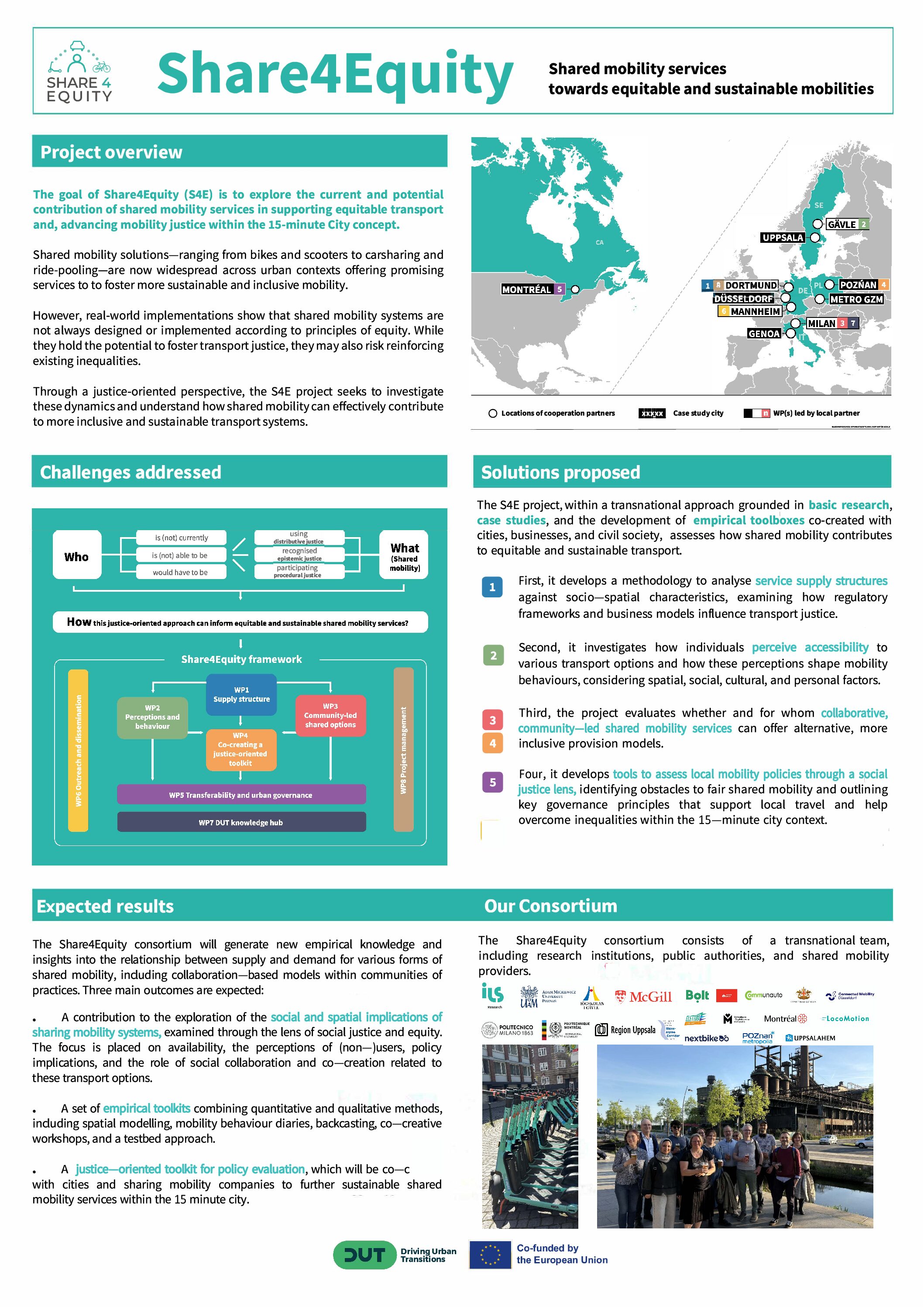
    Check out the new project poster!